

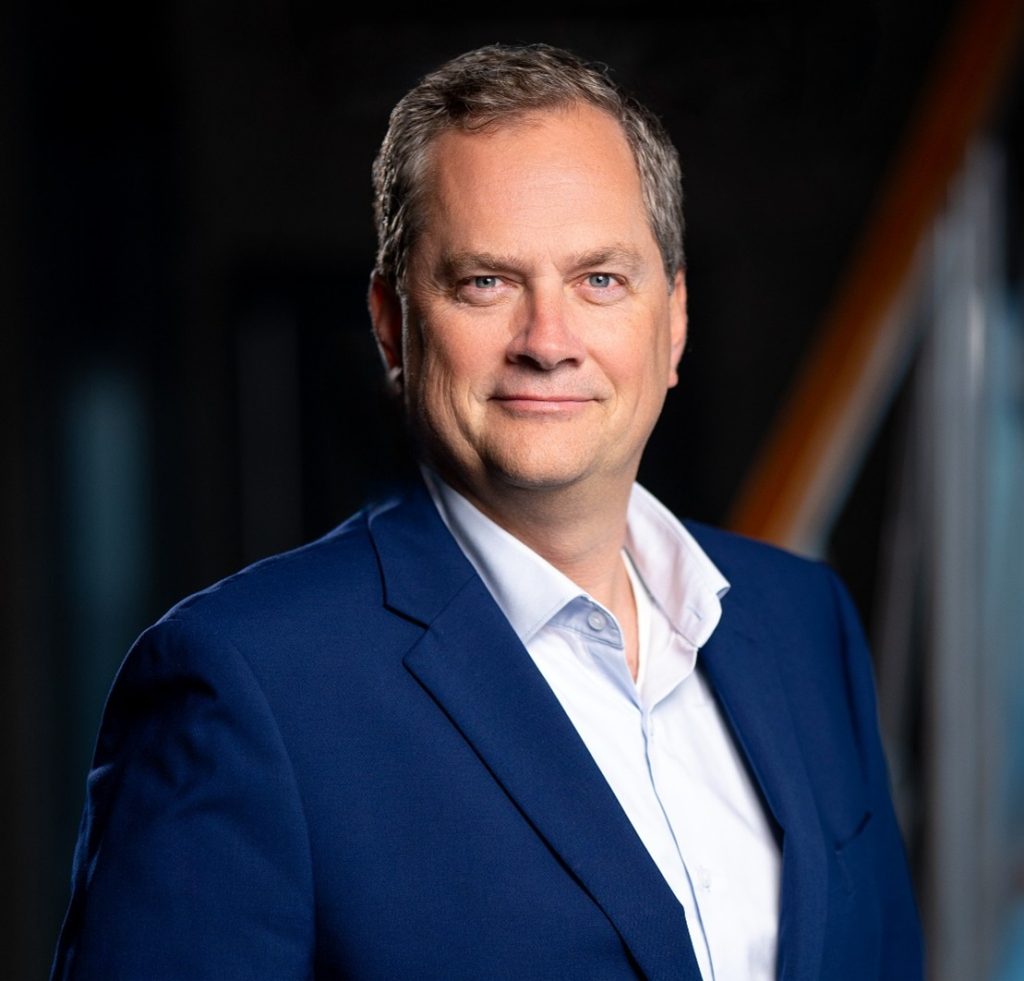
Jean-Philippe Brunet, Executive Vice President, Corporate Affairs and Partnerships at Group Ocean and Chairman of Tug Network Team, has been closely involved in the alliance from day one. In this interview with the Tug Network Team, he reflects on how a conversation in Istanbul turned into a new international towage network built on cooperation, shared standards and independent strength.
Where did the idea for Tug Network Team begin?
It started during the ITS conference in Istanbul. I had a late dinner with Felipe Gouvêa from Sulnorte and we talked about the direction of the market. The large players were becoming more dominant, while customers still needed choice, service and strong local operators. That led us to a simple thought: in aviation, alliances help independent players compete more effectively. Why could that not work in towage too?
What happened after that first conversation?
We took the idea back to the team and started putting the principles on paper. We discussed how the network should work, what standards members should meet and how to make sure the concept would stay strong over time. That also meant being clear about onboarding new members and, if needed, how to part ways when a company no longer fits the values or service level of the group.
When did it move from idea to action?
The next real step was a meeting in Panama with Sulnorte and CPT. That was the moment we said: let’s do it. We discussed the structure, the ambition and also the name. TNT immediately felt right, and from there Tug Network Team started to take shape.
Why was there a need for this alliance?
The towage market is changing quickly. The biggest players have scale and a strong position in major hubs. At the same time, many customers still want flexibility and local knowledge that independent operators bring. We felt there was room for a new option in the market. One that could offer international coverage while keeping that independent DNA.
What makes Tug Network Team different?
We are building a pool of tugs and capabilities through strong regional players who know their markets well. The idea is to create a level playing field. Customers should be able to work with independent operators and still benefit from the kind of reach and coordination that is often associated with the largest groups.
How important was it to bring in more members?
Very important. A concept like this only works if you have the right companies around the table. We knew early on that we needed another strong player, and when Fairplay showed interest there was real excitement. It confirmed that the model had potential and that others saw the same opportunity we did.
How does the cooperation work in practice?
It is very practical and commercial. We meet regularly, exchange market insights and discuss how we can support each other. The focus is always on how to serve customers better. Just last week, for example, we were in Houston meeting customers together. That kind of cooperation is what makes the network real.
How is the market responding?
The response has been positive. Customers understand why it matters to keep strong independent companies in the market. In many sectors, prices are going up while service levels are going down. We believe customers value an alternative that combines scale, service and local commitment.
What is the core message behind Tug Network Team?
There is now a new option for customers looking for towage with international coverage. We want to offer many of the advantages associated with the large players, but through a network of independent companies that remain close to their operations, their people and their customers.
What comes next for Tug Network Team?
We want to keep growing, step by step, by adding new members in new geographies. But growth is not just about footprint. It is also about quality. New members need to share the same values and the same commitment to service. We want to keep raising the bar together, share best practices and improve as a group.
Are there opportunities beyond commercial cooperation?
Yes, definitely. One example is sourcing tugs together. Scale matters there as well. If you are a very large player, you naturally have purchasing power. But if a group of independent companies works together, you can also create real leverage and become more attractive to shipyards and suppliers. That is another area where cooperation can make us stronger.
How does Group Ocean fit into that broader story?
Group Ocean is a 100% Canadian company, and last year we made a major move through a management buyout together with Investissement Québec. We are active in much more than towage. We own shipyards, we build small tugs for the Canadian Navy and we carry out a lot of repair work as well. We are also active in dredging. It gives us a broad view of the maritime market and of how important strong partnerships have become.